How to Put a Golf Bag on a Push Cart
Here's how to put a golf bag on a push cart: seat the base in the lower cradle, rest the top against the upper support, and fasten the straps snugly. Check for movement, clear pockets, and folded stand legs before walking.
On this page (7 sections)
- How do you put a golf bag on a push cart?
- How tight should the straps be?
- How should you position a stand bag's legs?
- What can you use if the cart strap doesn't hold the bag securely?
- How do you check the setup before walking?
- What mistakes make a golf bag slip or wear?
- Which setup should you choose for putting a golf bag on a push cart?
Here's how to put a golf bag on a push cart: seat the base in the lower cradle, rest the top against the upper support, and fasten the straps snugly. The supports carry the bag; the straps keep it from shifting.
Start on level ground with the cart fully opened and its brake engaged, if fitted. Close pockets and follow your cart's instructions for locking the frame and positioning the bag supports.
How do you put a golf bag on a push cart?
Place the bag squarely in both supports before tightening anything. A strap can't correct a base that's perched on the edge of its cradle.
- Open the upper and lower bag straps.
- Fold and secure any stand legs as the bag and cart instructions require.
- Lower the bag base fully into the bottom cradle.
- Rest the upper part against the top support.
- Turn the bag enough to reach its main pockets without losing proper support.
- Route and fasten each strap through its intended path.
- Check movement, pocket access, and wheel clearance.
Don't force a bag between supports that don't match its shape. If your cart has adjustable supports, set them according to its manual before pulling the straps tight.
How should you put a loaded golf bag on a push cart?
Mount the bag with your normal round's load so you can check its actual fit. Clubs, drinks, and pocket contents can change how the bag rests against the supports.
Use the bag's lifting handles where provided, and keep the club heads clear of the cart handle as you lower it. Tuck carry straps away from wheels, hinges, and brake parts.
How tight should the straps be?
Tighten each strap until the bag stops sliding or rotating, while its sides keep their shape. Pulling harder isn't the answer if the base or upper support is poorly positioned.
Gently push the top of the bag from side to side. If it moves, check its seating and strap route before adding tension.
Open the main pockets after fastening. A tight zipper or flattened pocket means you should adjust the strap rather than accept poor access for the whole round.
For fit issues specific to legged bags, see whether you can put a stand bag on a push cart.
What if a push cart strap blocks a golf bag pocket?
Use a dedicated strap passage if your bag has one, or rotate the bag slightly within the supports. Keep the strap on a firm part of the bag rather than across a zipper, towel loop, or loose pocket flap.
Check access with the pocket open, not just closed. You need enough room to reach a ball or rain layer without releasing the bag.
The sleeve is 3.2 in wide and slides onto the strap. Choose it when the existing strap holds correctly but you want a soft layer at the contact point.
Skip it if your main problem is slipping, a broken buckle, or blocked pockets. Padding doesn't repair a strap or change where it crosses the bag.
Check that you can thread the strap through the sleeve and still close its buckle correctly. Keep the sleeve over the contact area without covering any adjustment or release parts.
How should you position a stand bag's legs?
Keep stand legs folded and restrained as the bag and cart instructions require. They must clear the wheels and frame without stopping the base from sitting fully in its cradle.
Use the bag's leg restraint if it has one. Don't force the legs backward or use cart-strap tension to bend them against the bag.
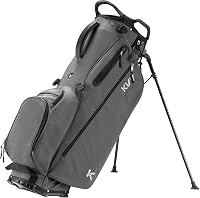
The Findway suits golfers who want a stand bag with cart attachment openings and separate club spaces. It also has adjustable dual carry straps, 2 cooler pockets, and a Velcro restraint on the stand bracket.
At 6 pounds before clubs and gear, it deserves a closer look if you often carry for a full round. Skip it if you're happy with your current bag and only need to replace a worn cart strap.
Attachment openings don't guarantee that a bag fits every cart. Check the base, leg mechanism, and upper support together; use the golf bags for push carts guide if you're replacing the bag.
See how to fix a golf bag stand if its legs won't fold or open as intended. Resolve that issue before trying to strap the mechanism out of the way.
What can you use if the cart strap doesn't hold the bag securely?
Choose an accessory that solves the specific fit problem: a compatible attachment for obstructed pockets, or suitable replacement webbing for a worn strap. First confirm that the original strap is routed correctly and its buckle closes fully.
BagBelts Golf Cart Straps attach to stand legs and connect to a cart. They require round legs with a circumference of 4 cm (1.57 in) and don't fit oval legs.
Choose BagBelts if your compatible stand bag's pockets are blocked by a body strap and the attachment works with your cart. Measure around the leg, not across it, since circumference and diameter are different measurements.
Skip this option for oval legs, bags without stand legs, or any setup where the connection interferes with the stand mechanism. BagBelts can remain attached to the bag when unclipped from the cart.
These nylon straps come in a 2-piece set, with each strap measuring 39.4 in long and 1 in wide. They suit a cart that accepts webbing of that width and needs an adjustable route around the bag.
Measure the full intended route before buying, including the cart attachment points and bag. Skip them if your cart needs a proprietary fitting or the route leaves too little length to close and adjust the buckle.
Secure spare strap length clear of moving parts. For other add-ons that solve a clear need, browse golf push cart accessories.
How do you check the setup before walking?
Check stability, clearance, and access with the cart stationary, then roll it a few steps on level ground. This catches movement that may not be obvious while you're fastening straps.
- Push the bag gently from both sides and check that its base stays seated.
- Check wheel clearance, including a swiveling front wheel's full movement.
- Remove and replace a club to check handle clearance.
- Open the pockets you'll use during play.
- Confirm that carry straps and webbing tails clear wheels and brake parts.
Stop after the short roll and check whether the bag has turned or settled lower. Readjust if needed, then check again after the first uneven stretch of your walk.
Park with the brake engaged where fitted, and avoid leaving the cart across a steep slope. Even a securely attached bag doesn't prevent a cart from rolling or tipping.
If you're still choosing a cart, how to choose a golf push cart explains the fit and frame features to compare.
What mistakes make a golf bag slip or wear?
The common mistakes are poor seating, misplaced straps, and trapped loose gear. Correct the cause before adding another accessory.
A bag that keeps rotating may be resting on a loose pocket instead of its main body. Recenter it, check the upper contact point, and adjust one support or strap at a time.
Don't pack a bulky item directly beneath the strap path. Move it to another pocket so the strap rests against a more even surface.
Wipe grit from the cradle, strap, and bag contact areas after a dirty round. Let damp straps and sleeves dry before storage, following their care instructions.
Inspect webbing for fraying, buckles for cracks, and support surfaces for trapped debris. Replace damaged parts with compatible replacements rather than relying on extra tension.
If careful setup still leaves the bag unstable, its shape may not suit the cart. The guide to golf push carts and stand bags explains how the main bag and cart types work together.
Which setup should you choose for putting a golf bag on a push cart?
When deciding how to put a golf bag on a push cart, keep the original setup if it holds securely and leaves your gear reachable. Buy an accessory only when you can name the problem it solves.
- Blocked pockets: consider BagBelts after checking leg measurements and cart compatibility.
- Worn or unsuitable webbing: consider Golf Trolley Webbing Straps if their size and buckle route fit.
- Strap rubbing: choose the Urgown sleeve once the existing strap holds correctly.
- A bag that needs replacing: consider the Findway for its cart attachment openings, stand, and club organization.
Before changing bags, decide how much club separation you need with how many dividers a golf bag should have. Then check that the bag's base and strap path suit your cart before choosing its storage layout.
Frequently asked questions
How do you secure a golf bag to a push cart?
Seat the bag base fully in the lower cradle, rest its top against the upper support, and fasten the cart straps around the intended strap path. Gently push the bag from each side to check for movement, then confirm that pockets open and loose ends clear the wheels.
Should the golf bag face forward on a push cart?
Position the bag so its main pockets face an accessible side while the base sits squarely in the lower support; there isn't one correct direction for every cart and bag combination. Check that stand legs, club heads, and pockets clear the frame, handle, wheels, and brake parts.
Can you use a stand bag on a push cart?
Yes, many stand bags fit push carts when their bases sit securely and their legs stay folded clear of moving parts. Follow both manufacturers' setup instructions and use the bag's leg restraint if provided; if the stand mechanism prevents proper seating, choose a different bag and cart combination.
How tight should push cart straps be?
Push cart straps should be snug enough to stop the bag from sliding or rotating without crushing its sides. Check with a gentle sideways push after fastening; if tightening makes pockets hard to open or distorts the bag, loosen the strap and correct the bag's position or strap route.