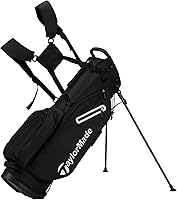
Golf Push Carts and Stand Bags: The Complete Buying Guide
Choose a golf push cart that fits your vehicle, supports your loaded bag and has a brake you can reach easily. A stand bag suits mixed carrying and rolling, while a cart bag suits golfers who want more storage.
On this page (10 sections)
- What does a golf push cart do?
- Can you put a stand bag on a push cart?
- Should you choose a stand bag or cart bag?
- Which golf push cart features matter most?
- What should you check before buying a golf bag?
- How do you put a golf bag on a push cart?
- How should you use and care for a push cart?
- Which buying and setup mistakes should you avoid?
- Are golf push carts allowed on every course?
- Which golf push cart and bag setup should you choose?
A golf push cart should fit your vehicle, hold your loaded bag securely and stay easy to control throughout a walking round. Choose those basics first, then decide which storage features and accessories deserve space on the handle.
A stand bag makes sense if you sometimes carry your clubs, while a cart bag suits golfers who want more storage and roll most rounds. Either style needs a clear strap path, a supported base and pockets you can reach after fastening it.
Start with how to choose a golf push cart if you're replacing the cart alone. Use how to choose a golf bag if your current bag is the part that no longer suits your rounds.
What does a golf push cart do?
A golf push cart lets you roll your clubs instead of carrying them while you walk the course. It supports the bag on a wheeled frame and gives you a handle for pushing, steering and controlling its movement.
That removes the bag from your shoulders, but you still move its weight across the course. Hills, soft ground and a heavily packed bag all affect the effort required.
Most buying decisions start with transport: can you lift the folded cart into your vehicle, fit your clubs beside it and unfold it without a struggle? A cart that makes those steps awkward can become a nuisance before you reach the first tee.
A manual push cart also differs from an electric caddy, which uses a motor to move the bag. Read golf push cart vs electric caddy if reducing pushing effort is your main goal.
A push cart suits golfers who enjoy walking and have room to store another piece of equipment. If you nearly always ride or rarely bring your own clubs, first consider how often the cart would leave home.
Can you put a stand bag on a push cart?
Yes, many stand bags work on push carts, provided the base and retracted legs fit the supports. Check the actual pairing with clubs loaded, because a secure empty bag can shift once its weight changes.
The lower support should carry the bag's base rather than press against a stand pedal or balance it on one edge. At the top, the support should hold the bag without forcing the legs outward.
Check these points before deciding the fit is sound:
- The base sits firmly without rocking.
- The legs stay retracted and clear of the wheels.
- Both straps fasten securely around the bag.
- The main pockets open without releasing a strap.
- Clubs lift out without catching on the handle or accessories.
A bag that rotates usually needs better placement or a better match between its shape and the supports. Pulling the straps tighter won't solve a base that sits crooked.
Some bags provide openings or a channel for a cart strap. These help route the strap, but you still need to confirm that the cart's upper support and the bag's stand mechanism don't clash.
Our guide to using a stand bag on a push cart explains the contact points in more detail.
Who should choose the Findway stand bag?
Choose the Findway 14-Way Stand Bag if you want separate club spaces and a bag that can switch between carrying and cart use. Its stand and adjustable dual shoulder straps make it the more suitable of these 2 bags for mixed use.
It weighs 6 lb and has 14 separate club compartments, 8 pockets and 2 dedicated cooler pockets. A rain cover, towel loop and glove attachment area round out its storage features.
The openings near the top give you a route for securing the bag, while the stand has a hook-and-loop restraint for keeping it closed. Confirm that those openings line up with your cart's straps before relying on them.
This bag suits golfers who carry some rounds but still want an organized top and space for drinks and rain gear. It also makes sense if your bag needs to stand independently at the practice area.
Skip it if your main goal is the lightest possible carrying setup. Also choose another shape if its base or stand mechanism prevents firm contact with your cart's supports.
Should you choose a stand bag or cart bag?
Choose a stand bag for mixed carrying and rolling, or a cart bag when you expect the cart to carry your gear most of the time. Your usual round matters more than an occasional outing with different needs.
A stand bag gives you legs for setting it down and shoulder straps for carrying it. Those features add flexibility, but the stand hardware creates another fit point to check on a push cart.
A cart bag puts more emphasis on storage and organization while supported by a cart. Its usefulness depends on whether the pockets face you and stay clear of straps when mounted.
| Your priority | Better starting point | Main check |
|---|---|---|
| Carry some rounds | Stand bag | Loaded carrying comfort |
| Bring more clothing and drinks | Cart bag | Pocket access and total load |
| Set the bag down at practice areas | Stand bag | Full leg deployment |
| Keep clubs in assigned spaces | Either style | Divider layout and grip clearance |
| Fit an existing push cart | Either style | Base, supports and strap route |
Don't choose by pocket count alone. A smaller number of well-placed pockets can be more useful than extra compartments hidden against the cart frame.
Think about unloading as well as playing. You still need to move a cart bag between home, vehicle and cart, even if you never carry it around the course.
If you already like your bag, check its fit before buying a replacement. A push cart doesn't automatically require a new bag.
For a fuller comparison, read stand bag vs cart bag. Our guide to what a golf cart bag is explains the features that matter when rolling is your normal routine.
Which golf push cart features matter most?
Prioritize folded size, lifting weight, bag support and braking before accessories. Those features decide whether the cart works with your car, your bag and the course you walk.
How should a golf push cart fit your vehicle?
Measure the usable space inside your vehicle and the opening the folded cart must pass through. Allow room for your golf bag, shoes and other gear rather than comparing the cart with an empty trunk.
A folded cart can fit inside a trunk but still be awkward to turn through its opening. Check the narrowest point and any raised sill you'll need to lift it over.
Use folded cart dimensions rather than shipping-box dimensions. The box includes packaging and doesn't show the exact shape you'll handle after a round.
Weight matters most during lifting, especially if you park in a tight space or store the cart on a shelf. Consider where you can grip the frame without pinching fingers or lifting by a loose accessory.
Practice the folding sequence before taking the cart to the course. Keep straps, fabric and accessory mounts clear of hinges, and confirm the frame is locked open before loading the bag.
How should the bag attach?
The cart needs to support the bag at the base and hold it against the upper saddle without twisting. Straps secure that position; they shouldn't have to pull an unsupported bag into place.
Adjustable supports help you line up those contact points. Even so, check that the bag doesn't sit so low that its pockets rub a wheel or so high that it blocks the handle.
The CaddyTek CaddyLite 11.5 V3 suits golfers who want a folding cart with common walking accessories already included. Its aluminum frame weighs about 13.8 lb and folds to 28 x 16.5 x 16.1 inches.
Its adjustable handle, foot brake, mesh net, umbrella holder and drink holder cover the main day-to-day needs. The 3-wheel layout uses 11.5-inch rear wheels and a 10.5-inch front wheel.
Choose it if that folded shape fits your vehicle and you prefer a foot-operated parking brake. Its elastic straps are also worth considering if you want a straightforward attachment system.
Skip it if you need a hand brake or its folded length won't fit your storage space. Golfers who want adjustable upper and lower saddles should compare the Clicgear below.
Which wheel and brake details matter on the course?
Choose wheel layout and brake controls around the ground you play and how you handle the cart. Wheel count alone isn't enough to judge stability, steering or ease of use.
Both 3-wheel and 4-wheel carts need a balanced load and careful control on slopes. Compare wheelbase, bag position and turning behavior alongside the number of wheels.
A fixed front wheel and a swiveling front wheel require different steering movements, so check the design before choosing. For a fuller comparison, see 3-wheel vs 4-wheel golf push carts.
Brake reach matters every time you stop. A foot pedal should be easy to reach without kicking the frame, while a hand control should be easy to use without releasing your hold awkwardly.
Use the brake as directed by the manufacturer and park on level ground whenever possible. Keep hold of the handle while moving downhill rather than expecting a parking brake to control a moving cart.
Which handle and storage features are worth having?
An adjustable handle is useful when it lets you walk upright with relaxed arms and enough room for your normal stride. A poor handle position can leave you reaching forward or stepping too close to the frame.
Keep frequently used items near the handle, but avoid hanging heavy gear from it. Uneven loading can change the cart's balance, especially when you turn or cross a slope.
Choose the Clicgear Model 4.5 if you want more adjustment at the bag supports and a console for organizing items during a round. It uses silicone bag straps and a hand brake, with an adjustable front wheel for tracking.
Its console includes a phone holder with charging-cord access, magnetic and hook-and-loop pads, and places for a scorecard, balls, pencil and tees. An under-console storage bag and mesh basket give small items separate places.
That setup suits golfers who regularly use a phone, paper scorecard and several accessories while walking. Charging-cord access lets you route a cable; it doesn't mean the holder supplies power.
The cart weighs 16 lb, so account for the lift into your vehicle. Confirm folded clearance before ordering, since Clicgear gives folded dimensions of 13 x 15 x 24 inches in one description and 13 x 15 x 23 inches in another.
Skip it if you mainly want a lighter cart with basic storage. Its extra organization is less useful if nearly everything stays in your bag.
What should you check before buying a golf bag?
Choose a bag by club access, useful storage and loaded weight, then confirm it fits the cart. A well-organized bag should make clubs and gear easier to reach without encouraging you to carry things you rarely use.
How many club dividers do you need?
Choose more dividers if you want assigned spaces for clubs and a quick way to see an empty slot. Choose fewer if you prefer a simpler top and don't need each club separated.
Divider count doesn't tell you the size of each opening or how grips move through the bag. Check the putter space and any grip-size limits, especially if your clubs have larger grips.
Full-length dividers separate club shafts farther down the bag. Don't assume every bag with a divided top has that same internal layout.
Read how many dividers a golf bag should have if you're deciding between individual slots and a more open top.
Choose the ASK ECHO T-Lock Cart Bag if club organization and storage take priority over carrying weight. ASK ECHO's quiet top is designed to hold clubs in place and reduce rattling and contact between club heads.
It weighs 11 lb and includes a cooler compartment, 2 waterproof valuables pockets and 2 shoe pockets. The supplied rain cover protects the club opening, but the waterproof pocket feature doesn't make the whole bag waterproof.
The organizer has an oversized putter well, and ASK ECHO specifies compatibility with grips up to 1.2 inches. Check your actual grip sizes rather than assuming every oversized grip will fit.
This bag suits golfers who roll most rounds and want dedicated spaces for clothing, drinks and small items. Its cart strap channel is useful when it keeps the securing strap away from pocket openings.
Skip it if you frequently carry your clubs or want a simple bag with little bulk. Don't fill every compartment by default, because drinks, spare balls and clothing all add to the load you push.
How much storage is enough?
Choose pockets around a normal round, including the gear you need when the weather changes. Separate wet clothing, valuables and food where the bag's layout allows it.
Make a short packing list before comparing bags. Balls, tees, gloves, a drink and rain gear are a better starting point than a count of every pocket available.
Check pocket openings with the bag mounted. A wide compartment loses much of its value if the cart frame blocks its zipper or a strap crosses the middle.
A cooler pocket gives drinks a dedicated space, but don't assume it is leakproof. Follow the bag's care instructions before adding loose ice or anything that may drain into nearby pockets.
Will the bag work away from the cart?
A stand bag should deploy its legs fully on suitable ground and retract them before mounting. A cart bag needs a firm base when set down, but you should still choose a level spot.
Keep bag straps from dragging when the bag rides on the cart. Secure loose ends so they can't reach a wheel, brake part or hinge.
If stand legs stick or fail to retract, address the fault before using the bag on a cart. Our guide to fixing a golf bag stand covers the main checks.
How do you put a golf bag on a push cart?
Seat the base first, align the upper support and then fasten both straps. Finish with a short loaded roll so you can spot movement before heading onto the course.
- Open the cart fully on level ground and engage the brake.
- Check that the frame locks and wheels are secure according to its instructions.
- Retract and secure the bag's stand legs.
- Place the bag base squarely on the lower support.
- Align the upper support with a firm part of the bag.
- Route and fasten both straps without trapping zippers or crushing pockets.
- Secure loose shoulder straps and check wheel clearance.
- Load your usual gear, release the brake and roll a short distance.
Watch for rotation, slipping and contact between the bag and wheels. If something moves, stop and reposition the bag rather than trying to correct it while rolling.
Next, open the pockets you use most and remove a few clubs. Make sure the handle, umbrella mount and straps don't block normal access.
Set the handle height with the bag loaded and your normal walking shoes on. Leave room for your stride so you don't keep clipping the frame with your feet.
Check brake engagement on level ground before relying on it at a stopping point. After the first short stretch of your round, check that the bag remains seated.
Follow our step-by-step guide to putting a golf bag on a push cart for more detail. Our guide to golf push cart accessories helps you choose holders without crowding the handle.
How should you use and care for a push cart?
Keep the frame clean, the moving parts clear and the load balanced. Small checks after each round help you spot loose fittings or folding problems before they interrupt the next one.
Control the cart on slopes and turns
Keep a hand on the handle while moving and slow down before rough patches or sharp turns. Choose a smoother route when possible rather than forcing the cart through deep ruts.
Don't let the cart roll ahead unattended downhill. At stopping points, choose firm, level ground and engage the brake before walking away.
Wind can catch an open umbrella and change the balance of the setup. Close it when conditions make it hard to control, and follow course instructions during unsafe weather.
Clean and dry it before storage
Brush or wipe grass, mud and grit from the wheels, supports and folding joints after a dirty round. Follow the manufacturer's cleaning instructions and avoid directing a strong water jet into controls or joints.
Let wet parts and fabric storage areas dry before storing the cart in a closed trunk or cupboard. Empty food, drinks and damp clothing from the bag as well.
Check straps for damage and inspect visible fasteners, brake parts and wheel attachments. Stop using a damaged part until you can follow the maker's repair guidance.
Keep the fold clear
Remove loose items that could fall out or get trapped when folding. Keep fingers away from hinge points and use the intended release sequence rather than forcing the frame.
If the cart becomes hard to fold, look for trapped straps, dirt or a part that hasn't released. Don't add lubricant unless the manufacturer's instructions call for it and identify a suitable type.
Which buying and setup mistakes should you avoid?
Avoid buying around accessories before confirming fit. A console full of useful holders can't make up for a cart that won't fit your trunk or hold your bag.
Buying a new bag too soon
Try the current bag on the cart before replacing it. You may only need to change its position, route a strap properly or secure the stand legs.
Replace the bag when its shape prevents a sound fit or its storage no longer suits your rounds. A different label alone isn't a reason to switch.
Treating straps as the whole support system
Set the base and upper contact points correctly before tightening. Excess tension can squash pockets while leaving the real cause of movement unresolved.
Don't attach a homemade restraint to a moving brake or folding part. Use the cart's intended attachment points and approved accessories.
Packing for every possible need
Carry what you normally use and review the load after a few rounds. Large stocks of spare balls, unused tools and extra drinks can make a walking setup heavier than it needs to be.
Keep heavier items secure and avoid loading only one side. Recheck balance after adding a full bottle or moving gear between pockets.
Ignoring the trip home
Plan where muddy wheels and wet gear will go after a round. A washable liner can help protect the vehicle, but let damp equipment dry once you get home.
Practice packing the cart and bag together before your first early tee time. That also shows whether you can lift each piece without unloading half the trunk.
Are golf push carts allowed on every course?
Course rules vary, so confirm permission and current route restrictions before bringing your cart. Wet ground or maintenance work can change access even at a course that normally allows push carts.
Ask where carts may travel and follow signs around greens, bunkers and other protected areas. Don't assume that a route allowed for foot traffic is also open to a wheeled cart.
Leave the cart where it won't block another golfer's route or the next group. Keep it clear of play and choose a stable parking spot.
Our guide to golf course push-cart rules explains what to ask before your round.
Which golf push cart and bag setup should you choose?
Choose the golf push cart first if transport and control are your main limits, then match the bag to its supports. Keep a bag you already like if it sits securely and gives you access to clubs and pockets.
- Choose CaddyTek CaddyLite 11.5 V3 for a folding cart with a foot brake and the main drink, umbrella and small-item holders included.
- Choose Clicgear Model 4.5 for adjustable bag saddles, a hand brake and more organization around the handle.
- Choose Findway 14-Way Stand Bag if you alternate between rolling and carrying and want separate club compartments.
- Choose ASK ECHO T-Lock Cart Bag if you roll most rounds and value its club-holding top and dedicated storage more than carrying convenience.
These are starting points, not a promise that either bag fits either cart without adjustment. Confirm base contact, strap reach, pocket clearance and loaded balance for the pair you choose.
If you're unsure how often you'll use one, read is a golf push cart worth it? before committing storage space. Once you're ready to compare more models, use our best golf push carts guide to narrow the options around your car, course and bag.
Frequently asked questions
Can you use a stand bag on a golf push cart?
Yes, a stand bag can work on a golf push cart when its base sits securely, its legs stay retracted and both straps hold it in place. Check the fit with clubs and normal gear loaded, then roll a short distance to check for twisting, slipping or wheel contact.
Is a cart bag or stand bag better for a push cart?
Choose a stand bag if you sometimes carry your clubs, and choose a cart bag if storage and club organization matter more. Either style needs a secure base and clear strap path; compare the loaded weight and pocket access before deciding which bag works best for your rounds.
How many wheels should a golf push cart have?
Choose between 3 and 4 wheels by comparing the whole cart, including its wheelbase, steering, fold and loaded balance; either layout can suit walking golfers. For sloped courses, give extra attention to brake access and control, and keep hold of the handle while moving across uneven ground.
What should I look for in a golf push cart?
Start with folded dimensions, lifting weight, bag support and an easy-to-reach brake; next, check handle height, wheel clearance and access to your bag's pockets. Choose accessories after those basics fit your needs, so a phone holder or storage pouch doesn't distract you from a poor cart-and-bag match.